
Amazon's Zoox Unveils Next-Gen Robotaxi: Enhanced Passenger Experience and Production Readiness
Keywords: Zoox, autonomous vehicle, robotaxi, Amazon, Waymo, NHTSA, commercial deployment
Introduction
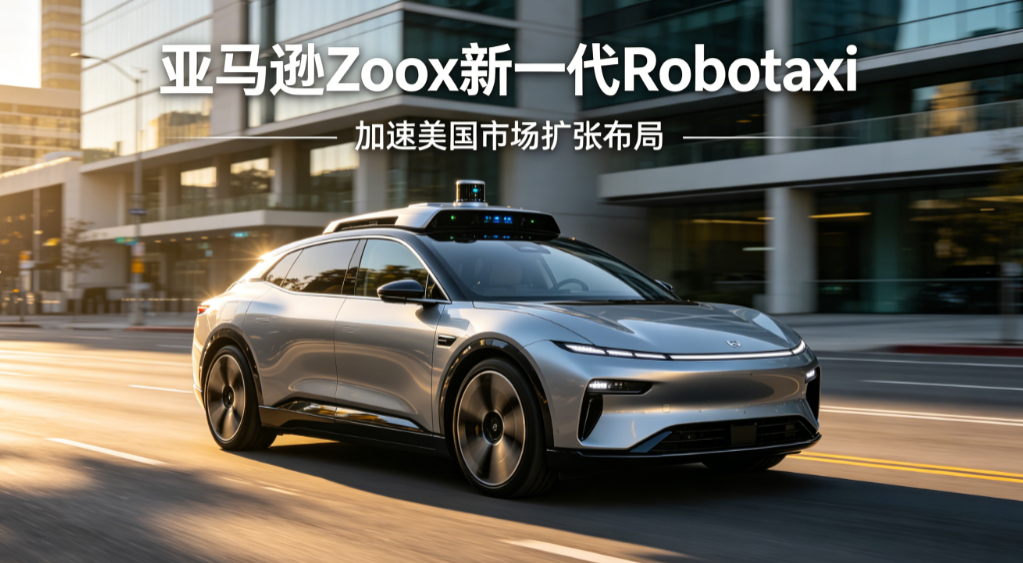
The autonomous vehicle industry is witnessing a pivotal moment as Amazon-owned Zoox released its next-generation robotaxi on Wednesday, showcasing a refined design aimed at enhancing passenger comfort and operational readiness. Dubbed the "toast" for its distinctive boxy shape, the vehicle represents Zoox’s latest effort to bridge the gap between experimental prototypes and mass-market deployment. As the company prepares to expand commercial operations in the United States later this year, this upgraded model signals a strategic push to compete with industry leaders such as Waymo, while navigating regulatory hurdles and scaling production.
Upgraded Interior and Passenger-Centric Design
Zoox’s new robotaxi iteration introduces several tangible improvements directly targeting the passenger experience. According to the company, the vehicle now features higher-quality touchscreens integrated into the cabin, offering improved responsiveness and clarity for ride-hailing interactions. Additionally, redesigned seats and headrests provide greater comfort during trips, a crucial factor for long-duration autonomous rides where driver supervision is absent.
One notable enhancement addresses a common frustration among riders: forgotten belongings. The interior layout has been subtly reorganized to make it easier for passengers to spot items like keys or phones when exiting. This small but thoughtful adjustment reflects Zoox's commitment to user-centric design, as highlighted by Chris Stoffel, the company's engineering director. "Our design philosophy aims for a minimalist yet layered interior that does not distract passengers like the myriad functions found in conventional vehicles," Stoffel explained. "We want the ride to be intuitive, not overwhelming."
External Visibility and Safety Features
Beyond the cabin, Zoox has also upgraded the vehicle’s external identification systems. The bidirectional reflective markers, which help pedestrians, law enforcement, and other road users quickly discern the robotaxi’s front from its rear, have been enlarged and repositioned for greater clarity. This design choice is particularly important given the vehicle's symmetrical shape—a distinctive feature that eliminates the traditional distinction between front and back. In an autonomous fleet where human drivers are absent, such visual cues are essential for safety and regulatory compliance.
Commercialization Progress: Catching Up with Waymo
The unveiling comes at a critical juncture for Zoox, which is racing to monetize its technology after years of development. Since its acquisition by Amazon for $1.3 billion in 2020, the company has lagged behind Alphabet’s Waymo in commercial deployment. Waymo currently operates paid services in ten U.S. cities, surpassing 500,000 weekly paid trips, and plans to expand internationally to London and Tokyo this year. In contrast, Zoox has accumulated over 500,000 passenger rides since launching free services in Las Vegas last September—an impressive number, but still far from Waymo’s scale.
Zoox currently offers complimentary rides in limited areas of Las Vegas and San Francisco, with select users able to hail its robotaxis in parts of Miami and Austin, Texas. The company also conducts testing in six additional U.S. cities. A significant milestone was reached in March when Zoox partnered with Uber to allow passengers in Las Vegas to book its autonomous taxis through the Uber platform. This integration leverages Uber’s massive user base, potentially accelerating Zoox’s adoption without needing to build its own app from scratch.
Regulatory Hurdles and Production Scaling
Despite these advances, Zoox’s biggest challenge remains achieving revenue-generating commercial operations. The company is still awaiting approval from the National Highway Traffic Safety Administration (NHTSA) to operate up to 2,500 autonomous vehicles on public roads for commercial purposes. The application entered a public comment period that concluded in early April, and the agency is now reviewing feedback. Until NHTSA grants clearance, Zoox cannot charge passengers for rides—a critical barrier to profitability.
Production readiness is another key focus. The newly unveiled robotaxi is designated as Zoox’s "production intent vehicle," meaning it serves as the blueprint for mass manufacturing. The company announced that it will gradually introduce the upgraded model into its existing fleet later this year. Furthermore, Zoox plans to ramp up production at its recently opened manufacturing facility in the San Francisco Bay Area, which began operations last June. Once fully operational, the plant is expected to achieve an annual capacity of 10,000 vehicles—enough to support moderate-scale deployment in multiple cities.
Unique Design: The "Toast" with a Vision
Zoox’s robotaxi has earned the nickname "toast" for its compact, square-shaped silhouette. Unlike conventional autonomous vehicles that retrofit sensors onto existing car platforms, Zoox designed its vehicle from scratch as a purpose-built autonomous mobility device. It lacks a steering wheel and pedals, featuring four inward-facing seats arranged like a shuttle bus. This layout prioritizes social interaction and space efficiency, but also creates unique regulatory and safety considerations, such as ensuring all occupants can exit quickly in emergencies.
The vehicle’s design philosophy aligns with Zoox’s long-term vision of a fully driverless, shared mobility future. However, critics have noted that the seating arrangement could limit private-car appeal, as most passengers prefer facing forward for comfort and privacy. Zoox counters that its research shows riders quickly adapt and appreciate the communal atmosphere, especially for short urban trips.
Conclusion: A Promising but Challenging Road Ahead
Zoox’s next-generation robotaxi represents a meaningful step forward in passenger experience and production readiness. With upgraded interiors, enhanced safety features, and a clear manufacturing plan, the company is positioning itself to compete in the rapidly evolving autonomous ride-hailing market. Yet significant obstacles remain, particularly regulatory approval for paid operations and catching up with Waymo’s head start.
The partnership with Uber provides a strategic advantage, allowing Zoox to access millions of potential riders without massive marketing investments. If NHTSA approves its commercial permit, Zoox could begin generating revenue in Las Vegas later this year, marking a turning point. Meanwhile, the ability to scale production to 10,000 units annually gives Zoox the flexibility to expand into new cities quickly.
In an industry where technology advances faster than policy, Zoox must balance innovation with patience. Its next-generation "toast" may not win beauty contests, but if it delivers on safety, comfort, and reliable autonomy, it could carve a viable niche alongside Waymo and other players. For Amazon, this venture is a long-term bet on the future of urban mobility—one where the "toast" might just become a staple on city streets.
Copyright Notice: This article is original content of Dhaka Bullion. Please contact us for republication permission.